
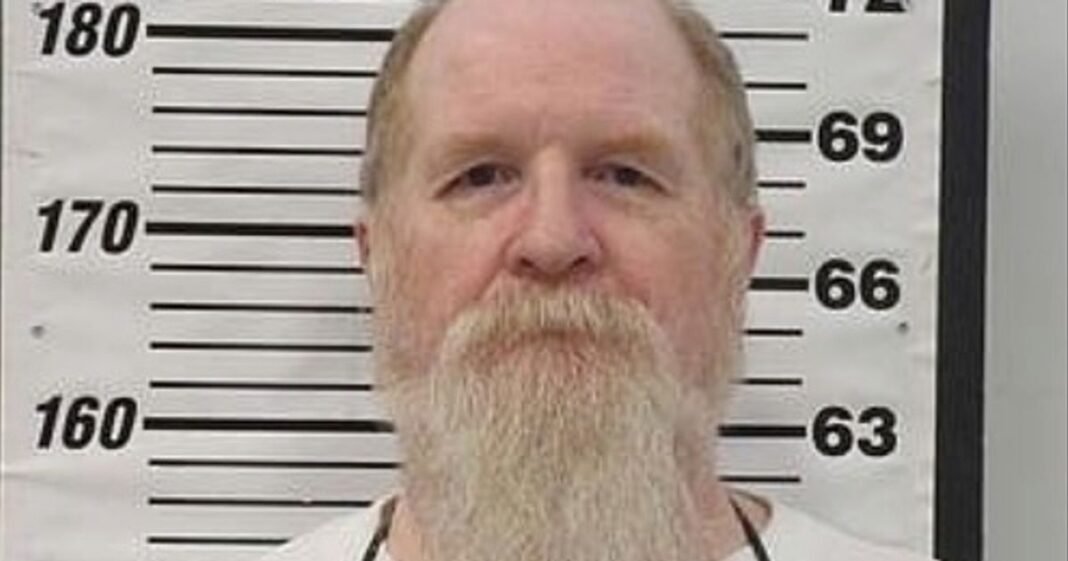

A convicted murderer in Tennessee, Harold Wayne Nichols, who committed a heinous crime 35 years ago, has opted not to choose between the electric chair and lethal injection for his upcoming execution. As a result, he will receive a lethal injection next month, marking the default method on death row in Tennessee. Nichols, who previously selected the electric chair for his execution in 2020, now has a two-week window to reconsider his decision.
Nichols, who confessed to raping and killing a 21-year-old student named Karen Pulley and committing several other assaults in the Chattanooga area in the late 1980s, expressed regret during his trial in 1990. Despite his remorse, he admitted that he would have continued his violent acts if not apprehended.
Tennessee, one of the 27 states where capital punishment is legal, allows inmates convicted before January 1999 to opt for electrocution instead of lethal injection. This method, however, has been rarely used, with only five instances in the past decade, all in Tennessee. At the time Nichols chose electrocution, Tennessee’s lethal injection procedure involved a series of three drugs, which raised concerns among inmates’ attorneys due to reported issues.
In response to the problematic execution protocols, the Tennessee Correction Department introduced a new procedure last December utilizing the single drug pentobarbital. Despite legal challenges from death row inmates’ attorneys, a trial on the new protocol is not scheduled until April. This development comes after Governor Bill Lee halted executions in light of concerns about the untested drugs used in previous lethal injections.
In a separate incident, a 65-year-old man in Florida, Norman Mearle Grim Jr, was executed despite denying charges of rape and murder. Grim became the 15th person to be executed in Florida this year, receiving a three-drug injection on death row, despite his claims of innocence during court proceedings.