
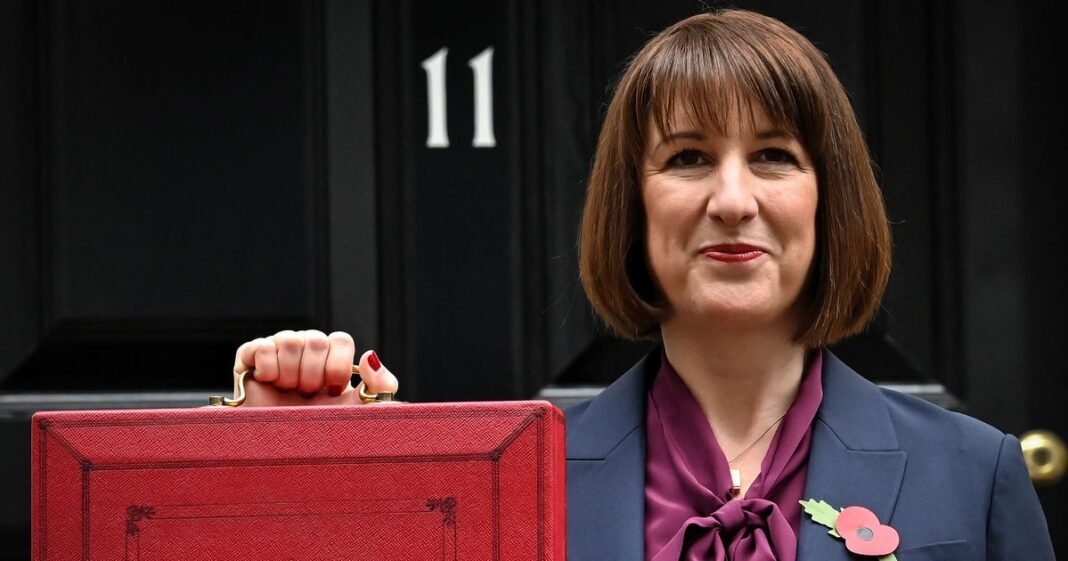

Experts project that reducing the income tax threshold for higher earners could generate £9 billion in revenue for the Treasury. Chancellor Rachel Reeves has decided against deviating from Labour’s manifesto promise to increase income tax rates in the upcoming Budget in November, a move that is causing concern among Labour MPs and voters.
Speculation suggests that Reeves abandoned the plan due to improved forecasts from the Office for Budget Responsibility, indicating a smaller public finance deficit of around £20 billion instead of the previously estimated £30 billion. However, this still poses challenges for the Chancellor in balancing tax increases and spending reductions.
One proposal, as outlined by the Financial Times, involves lowering the thresholds for various income tax rates. Currently, individuals have a tax-free personal allowance of £12,570, with a basic rate of 20% on earnings between £12,571 and £50,270, a higher rate of 40% on incomes between £50,271 and £125,140, and an additional rate of 45% on incomes above that level.
The Resolution Foundation suggests that reducing the higher rate threshold from £50,270 to £46,000 by 2029/30 could result in a £9 billion increase in revenue. This figure surpasses the projected £6 billion from Reeves’ previous consideration of a 2p increase in income tax and a corresponding reduction in employee national insurance.
While adjusting the threshold for higher rate taxpayers might protect many lower earners, it could still impact an estimated 30% of the workforce, including numerous public sector employees.
According to analysts at Pantheon Macroeconomics, lowering all income tax thresholds by 10% could generate £17 billion by 2028/29. However, such a move would likely face political challenges as it deviates from the manifesto’s principles.
Reports indicate that Reeves may not be in favor of reducing income tax thresholds. Instead, there is speculation that she may opt to extend the freeze on current personal tax thresholds and National Insurance for an additional two years starting in April 2028, potentially yielding £8.3 billion annually by 2030, as suggested by the Institute for Fiscal Studies (IFS).
This strategy, known as a “stealth tax,” would result in more income being taxed at higher rates as individuals’ earnings increase, or if they surpass the basic rate threshold.
The IFS warns that if the freeze continues, by 2029/30, even someone on minimum wage could be liable for income tax by working just 18 hours a week, marking the lowest threshold since the introduction of the minimum wage in 1999.
Furthermore, the freeze could lead to an increase in the number of full new state pension recipients subject to tax by 2027/28 if they are not already paying taxes, as highlighted by the IFS.
Matthew Oulton, a research economist at the IFS, emphasized the significant impact of extending the tax thresholds freeze, stating that it would raise substantial revenue in an inclusive and progressive manner, affecting various segments of the population.
As the Chancellor looks to boost revenue and adjust the tax burden, modifying thresholds remains a viable option, albeit one that may face resistance due to its broader implications.
At Reach and our affiliated entities, we and our partners use cookies and other identifiers to enhance the user experience, analyze site usage, and deliver personalized advertising. You can manage your data sharing preferences by clicking the “Do Not Sell or Share my Data” button at the bottom of the page. Your use of our services signifies acceptance of the use of cookies as outlined in our Privacy Notice and Terms and Conditions.