


As global leaders convene at a UN summit aimed at safeguarding the planet’s flora and fauna, a collective of scientists advocates for the protection of a frequently overlooked kingdom of life – fungi.
The total biomass of fungi on our planet is six times greater than that of all animals combined, and there are an estimated 5 million species, which include everything from edible mushrooms to tiny microorganisms that are vital to ecological balance.
“Without fungi, the world as we know it would not exist,” asserts Chilean mycologist Giuliana Furci.
Historically, fungi have been excluded from conservation initiatives focused on plants and animals, a realization that deeply impacted her years ago.
“The moment I discovered they were not part of environmental laws, the feeling of injustice was overwhelming,” Furci reminisced. In response, she founded the Fungi Foundation in 2012, which she believes to be the first non-profit organization aimed at preserving global fungi.
Since then, more organizations have emerged, including the Canada-based Mycosphaera, collectively forming the Global Fungal Conservation Network. On Wednesday, this coalition introduced the Global Strategy for Fungal Conservation during the COP17 UN biodiversity conference in Yerevan, Armenia.
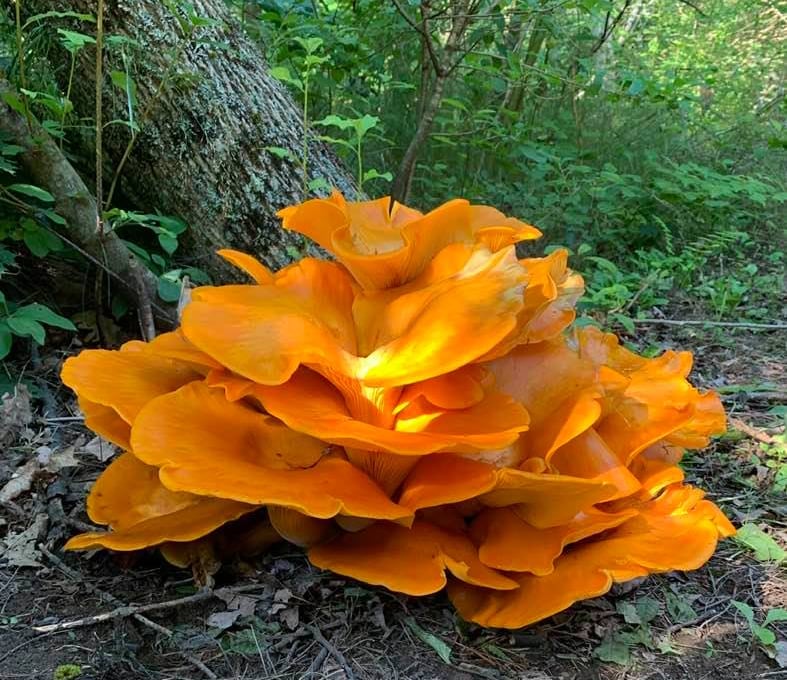
Jack-o’-lantern mushroom in Wolfville, N.S. (Submitted by Allison Walker)
The UN gathering is reviewing the progress made on the 2022 Kunming-Montreal Global Biodiversity Framework, which is a worldwide agreement aiming to safeguard 30 percent of the Earth’s land, freshwater, and marine environments by 2030, while mobilizing billions of dollars annually for biodiversity efforts.
Although the agreement explicitly states the necessity of balancing the well-being of humans, animals, plants, and ecosystems, fungi are not mentioned.

Tetrapyrgos alba. (Carolina Magnasco/Fungi Foundation)
Furci argued that discussing plant and animal life without including fungi is “outdated,” given that fungi were classified as a separate kingdom in 1969, and they are crucial for the survival of numerous plant and animal species.
“Fungi are organisms that hold immense significance in the environment … omitting them gives us a fundamentally incomplete understanding of life on Earth, ecosystem dynamics, and how we can address the varied crises we face, from climate change to biodiversity loss,” she stated before attending COP17.

Cortinarius magellanicus, found in South America and New Zealand. (Giuliana Furci/Fungi Foundation)
Many remain unnamed and unstudied
Allison Walker first became aware of wild mushrooms in various shapes, sizes, and colors as a young child while camping with her family in Algonquin Park.
“I used to create names for them, like ‘Donut Brothers’ or ‘Pancake King,'” she recalled.
Many fungi, in fact, lack “official names,” stated Walker, now a biology professor at Acadia University in Wolfville, N.S., since less than five percent have been formally documented.
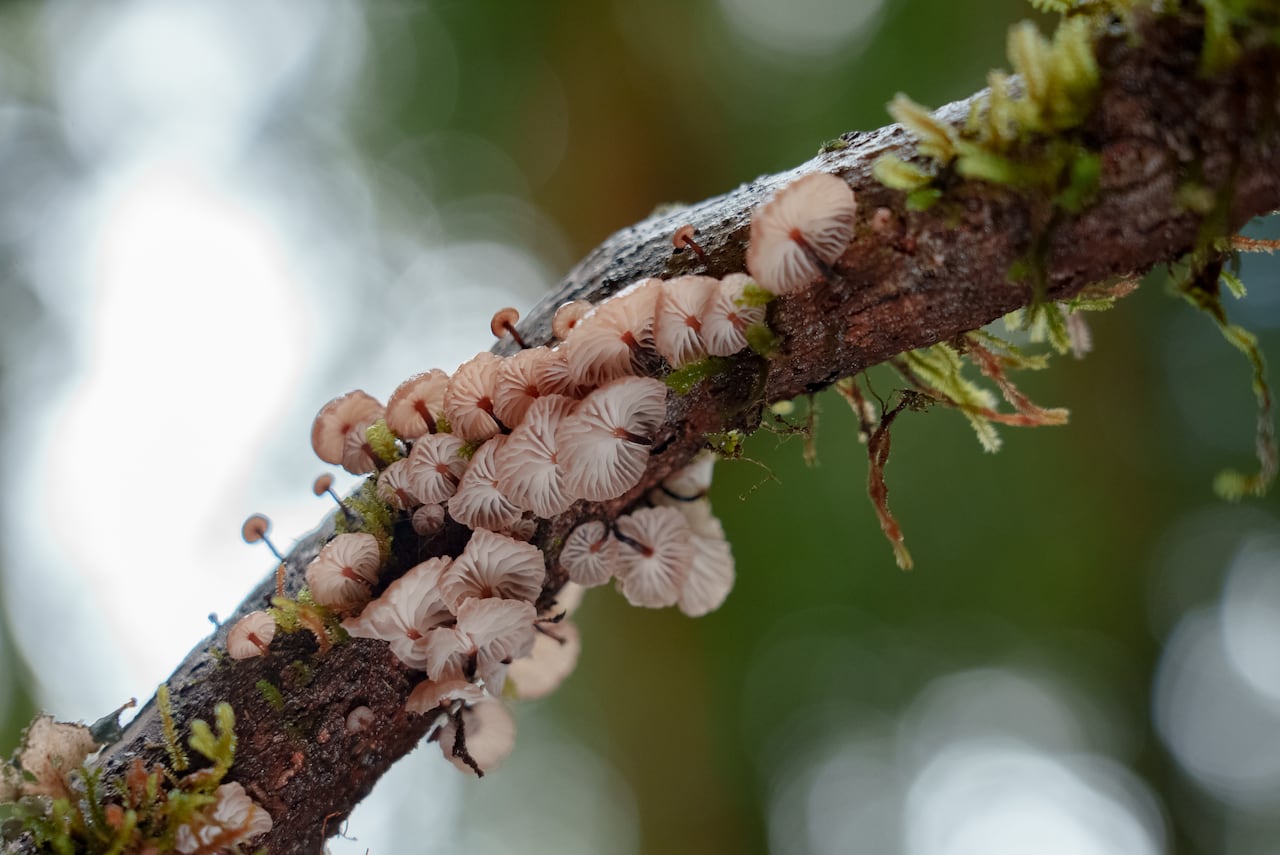
Unidentified fungi growing on a branch. (Catalina Infante/Fungi Foundation)
However, the fungi that scientists are monitoring face threats similar to those confronting plants and animals. Last March, the IUCN Red List, which evaluates extinction risks for species globally, added 1,300 fungal species, of which at least 411 are under threat of extinction.
This assessed number of fungi still represents only a small portion of the 96,000 animals and 176,000 plants documented on the list.
Furci mentioned that fungi encounter many of the same challenges as other life forms, such as fungicides, fertilizers, habitat destruction, climate change, and habitat fragmentation.
“However,” she added, “we have never taken steps to ensure their survival.”
Furci believes that addressing this issue would not only aid fungi but also benefit other organisms.
“Plants cannot thrive without fungi on their roots,” she explained. “Herbivores cannot digest the plants they consume without the fungi in their digestive systems… We are heavily reliant on fungi for food, medicine, and numerous other resources.”

Witch’s cauldron in northern B.C. (Cynthia Andal)
Fungi are also crucial for decomposition and nutrient recycling.
Walker noted that due to the reliance of many organisms on fungi, understanding these interactions is often key for successful habitat restoration and can clarify why certain restoration initiatives may fail.
In Canada, Walker indicated that certain fungal species at risk include witch’s cauldron found in northern B.C., which looks like a large black puffball, and the pepper pot earthstar, a species that has only been recorded four times in southwestern Ontario.

Pepper pot earthstar (Myriostoma coliforme), found only four times in southwestern Ontario. (Submitted by Allison Walker)
“It resembles a small star, but also a pepper shaker due to the tiny holes in the center that release spores… it’s quite charming and adorable.”
Challenges in identification and assessment
Walker acknowledged the obstacles in safeguarding rare fungi. Not only do we lack knowledge about existing fungal species, but they can also be extremely difficult to quantify.
“It’s challenging to determine … what is genuinely rare versus simply under-researched.”
Many species are microscopic, including those Walker examines in the roots of Spartina grasses that thrive in salt marshes.
“Often, it requires significant time at the microscope to differentiate between various species.”

Allison Walker studies microscopic fungi found in salt marsh grass roots. (Submitted by Allison Walker)

The fungi have proteins not found in the grass itself that stain blue. (Allison Walker)
Many fungi reside underground, and even those that produce visible mushrooms above the surface may not fruit every year. Certain species may only produce mushrooms under specific conditions, such as following a wildfire.
The underground network of cells constituting a single genetic individual can extend for kilometers and generate mushrooms across vast areas, complicating efforts to gauge the true population of a species.
“Counting them is quite different from assessing animals and plants.”
Efforts at COP
Nonetheless, conservationists are making strides.
During the last UN biodiversity conference, the Fungi Foundation introduced a fungal conservation pledge that has been endorsed by 14 countries. More nations are anticipated to join during the second week of COP17.
Canada has yet to sign, but Walker and fellow Canadian mycologists are advocating for its participation.
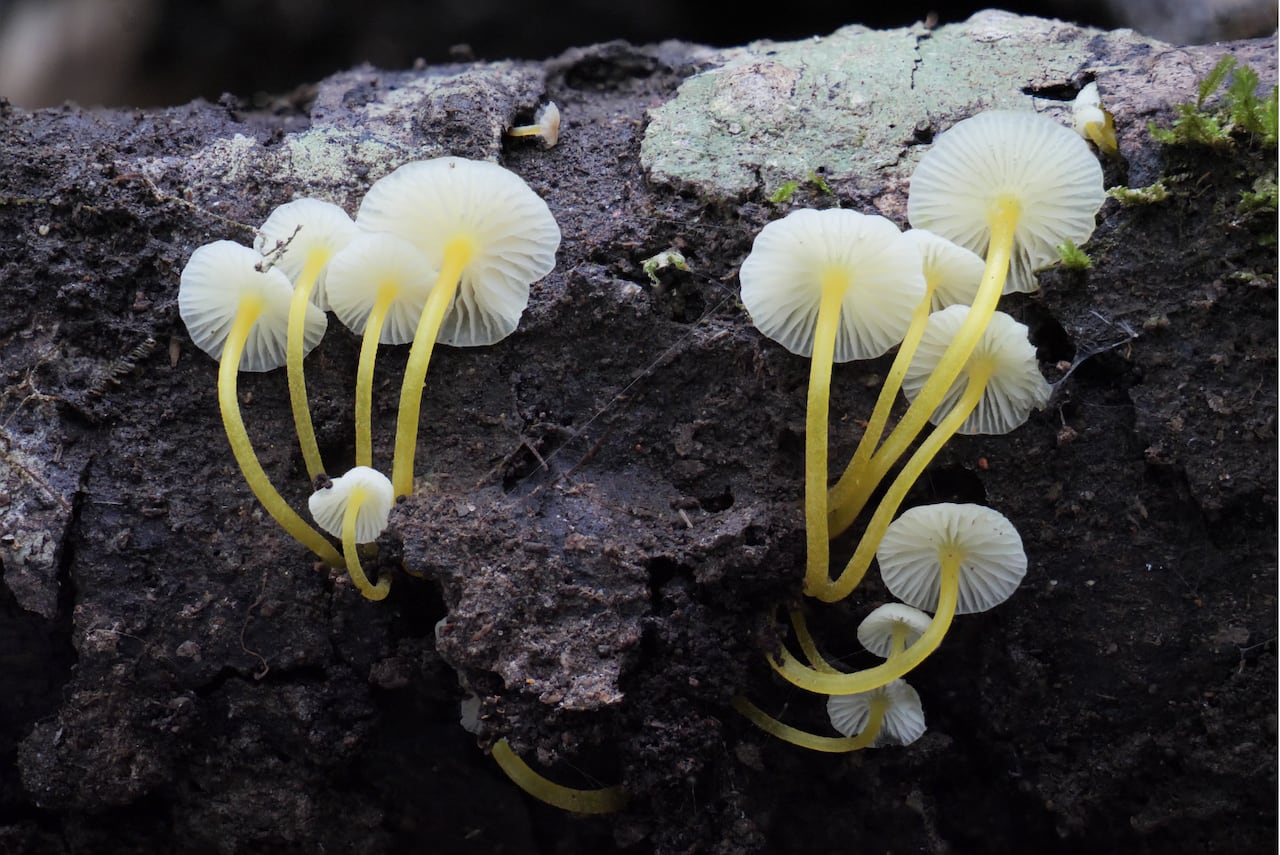
Mycena epipterygia. (Giuliana Furci/Fungi Foundation)
The nations that have endorsed the pledge have already contributed to incorporating fungi into scientific recommendations for the signatories of the UN Convention on Biological Diversity.
Furci believes that increased acknowledgment of fungi in the UN agreement could facilitate the integration of fungi into biodiversity monitoring, conservation planning, ecosystem restoration, and national biodiversity strategies.

Ramaria flava. (Giuliana Furci/Fungi Foundation)
However, Furci argues that ordinary people can also contribute by educating themselves about fungi and recognizing their significance in daily life.
“Language shapes our reality,” she stated. “Beginning to discuss fungi alongside plants and animals is the first meaningful step that everyone can and should take.”
This article is part of a series highlighting the work of scientists studying endangered groups of species that may not often receive attention. It aims to introduce these species and their impact on our lives while exploring what can be done to ensure their survival.