
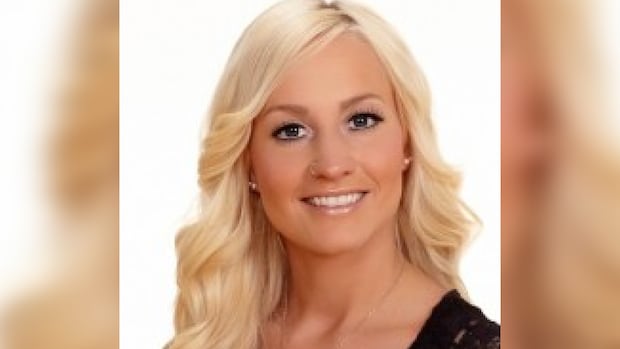

A woman who drove against traffic on a divided highway, resulting in a collision that claimed the lives of two individuals, has received preliminary approval for day parole, which she can apply for next month.
Brittany Barry, 35, admitted guilt to charges of impaired driving that led to the deaths of Laura Hannah, 53, and her daughter Jamie Hannah, 20, while also injuring her own two children who were passengers in her vehicle.
The incident occurred on October 19, 2024, on Highway 11 near Dundurn, located approximately 35 kilometers southeast of Saskatoon.
Barry is currently serving a six-year prison sentence, which began on March 14, 2025, and she is about a year and a half into her term.
According to regulations, federal inmates may be eligible for full parole after completing one-third of their sentence and can request day parole six months prior to that eligibility.
On August 11, the Parole Board of Canada approved Barry’s request to transition to a community-based residential facility, often referred to as a halfway house, when she qualifies for day parole.
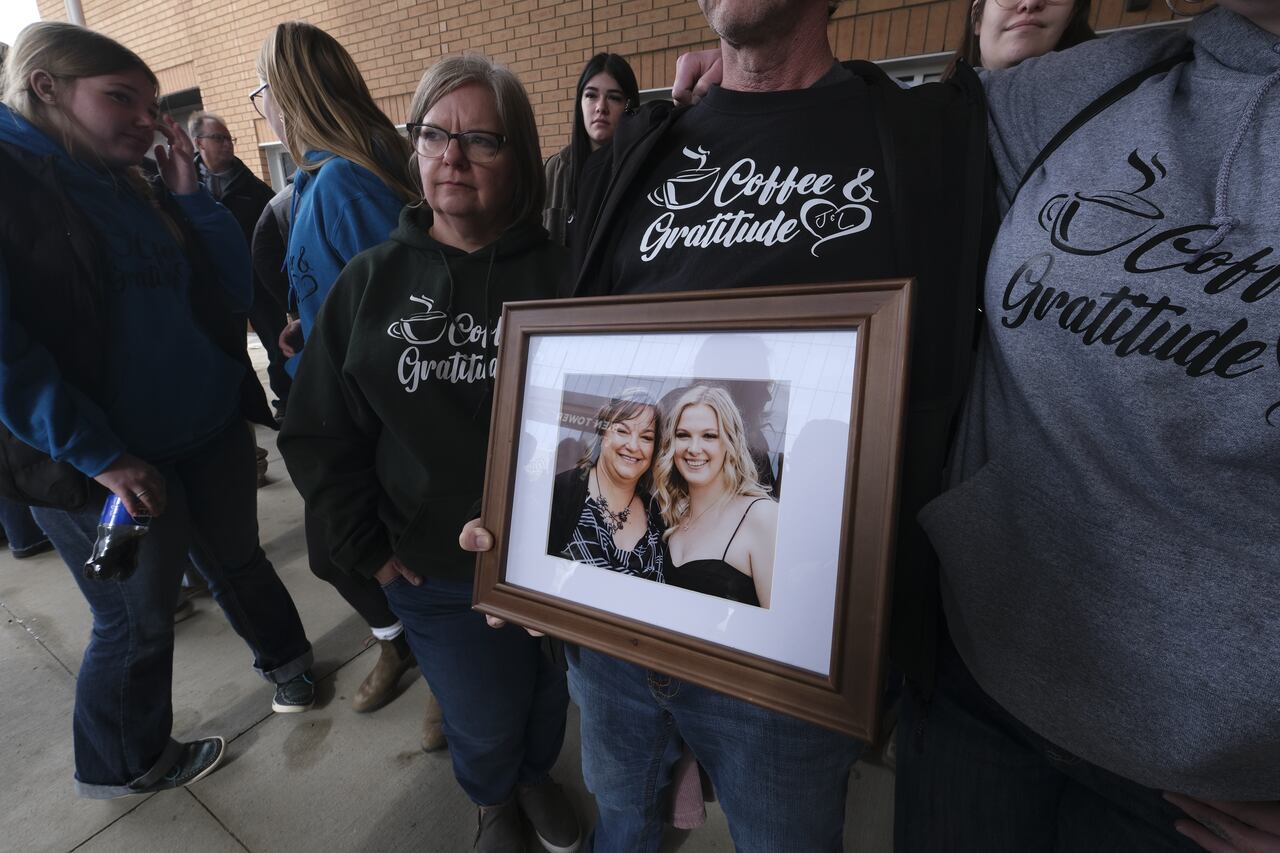
Family members outside of Saskatoon provincial court in March 2025 hold a picture of Laura and Jamie Hannah, who were killed when Brittany Barry’s truck collided with their vehicle. (Liam O’Connor/CBC)
The parole board noted that the victims’ family members expressed that they believe it is premature for Barry to be released into the community, stating that she should not have any privileges related to absences or conditional release due to the gravity of her offense.
However, the board acknowledged Barry’s acceptance of her actions and the progress she has made towards personal development.
In its statement, the parole board highlighted Barry’s commitment to honoring the victims by pledging to maintain sobriety and avoid returning to behaviors that led to her criminal actions.
Barry also expressed her desire to be a better mother to her children and make choices that do not endanger their safety.
The board remarked that Barry has remained in a minimum-security environment throughout her incarceration without any behavioral issues reported.
Additionally, the board’s ruling granted “leave privileges” while Barry resides in the halfway house, which will allow her unescorted temporary absences for family visits, church attendance, and Alcoholics Anonymous meetings.
Several conditions were set for Barry’s day parole, including a ban on alcohol consumption, restrictions on entering bars, a prohibition on driving, and the requirement to pursue treatment and counseling as mandated.
Moreover, she is prohibited from having “direct or indirect contact” with the victims’ family members, except for her children.
While the decision noted that Barry is already facing a seven-year driving ban as part of her sentence, the no-driving stipulation is intended to further “reinforce this” restriction.