
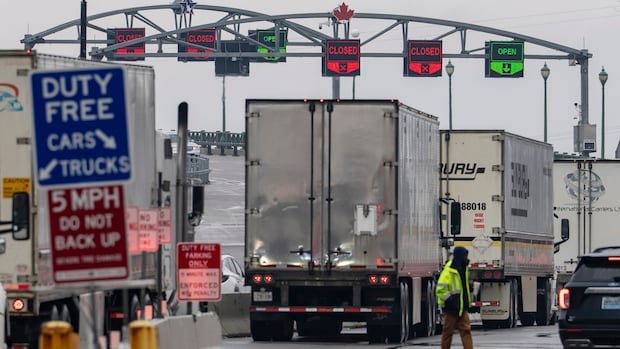

Enforcement of cross-border cargo regulations has significantly increased during the current administration, causing delays and financial burdens for shippers. The implementation of higher tariffs and stricter customs practices in the U.S. has resulted in heightened scrutiny and penalties for freight shipments, affecting trade activities.
According to Breanna Leininger, Pacific Customs Brokers’ U.S. operations head, there has been a substantial shift in customs procedures, with a tenfold increase in documentation requests for shipped goods compared to previous years. The frequency of customs inspections has also risen significantly, creating a more rigorous process for importers to demonstrate compliance with product classifications and trade agreements.
Data from U.S. Customs and Border Protection shows a 26% increase in audits this year compared to 2024, with penalties collected from trade violations reaching $70.6 million in the first half of the year, marking a significant surge from previous years.
The heightened enforcement measures coincide with an escalating trade dispute between Canada and the U.S., leading to additional tariffs being imposed by both countries. These border checks and extended paperwork requirements contribute to increased costs and operational challenges for businesses engaged in cross-border trade.
Alan Dewar, executive vice president at GHY, a Winnipeg-based customs brokerage, emphasized the financial impact of these stringent enforcement practices, stating that delays and additional expenses incurred during the shipping process can have significant repercussions for businesses.
Despite efforts by many businesses to adapt to the changing regulatory landscape, some find the compliance process overwhelming and opt to disengage from cross-border trade due to the complexities involved.
U.S. Customs and Border Protection stated that their trade enforcement strategies are continuously evaluated based on risk assessments and trade dynamics, with importers being reminded of their responsibility to provide accurate and complete information to facilitate customs clearance processes.