

Canada and the United States are facing challenges in reaching a tariff agreement as the deadline set by President Donald Trump approaches. Two sources familiar with the trade discussions revealed that Canadian officials are dissatisfied with the most recent offer presented by the U.S. side.
The American proposal put forward on Tuesday aimed to reduce certain sectoral tariffs, but it fell short of meeting the expectations of the Canadian negotiators. Both sides have been engaged in ongoing negotiations in an attempt to secure a deal before the looming deadline of August 19, which marks the imposition of a 50 percent tariff on numerous Canadian goods in addition to the existing sectoral tariffs.
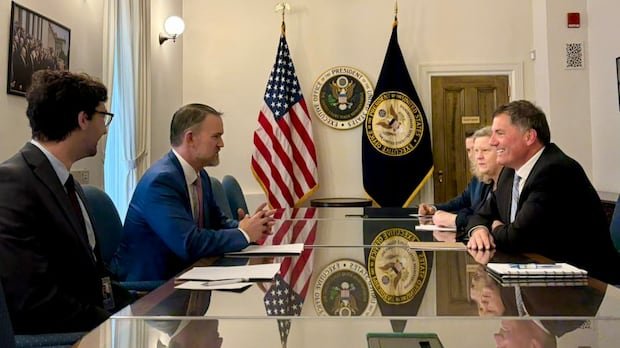
Reports suggest that the U.S. is pushing for preferential access to Canadian critical minerals and discussions covering security and energy matters. Canadian Trade Minister Dominic LeBlanc has been actively involved in talks with U.S. Trade Representative Jamieson Greer, meeting three times in as many weeks. The goal is to present a potential trade deal proposal to President Trump at the earliest opportunity.
It has been emphasized to the American counterparts that there would be limited support among Canadians if the August 19 tariffs are enforced. To address these concerns, both sides have agreed to hold daily meetings at various levels leading up to the deadline.
While continuing discussions in Washington, LeBlanc and Canada’s chief trade negotiator, Janice Charette, are also seeking relief from the tariffs imposed by the U.S. on Canadian steel, aluminum, lumber, and automobiles. Additionally, there is hope for a renewal of the Canada-U.S.-Mexico Agreement (CUSMA) as the Trump administration recently declined extending the deal beyond 2036.
In response to the U.S. trade irritants, including Canadian actions against U.S. trade policies, efforts are being made to avoid the implementation of new tariffs. Canada is open to meeting some U.S. demands, such as addressing the alcohol bans, in exchange for tariff concessions.
Conservative Leader Pierre Poilievre has urged for a robust stance in the negotiations, calling for a favorable deal that includes eliminating tariffs on softwood lumber, ending sectoral tariffs on steel and aluminum, establishing a tariff-free auto pact, and securing exemptions to Buy America regulations for infrastructure projects.
Both countries are actively engaged in discussions to resolve trade issues and prevent further escalation of tariffs.