

Ten years ago, a straightforward message resonated across Britain, encapsulated on a bus: reclaim control of borders, waters, and laws. This narrative transcended mere departure from the European Union, portraying a national revival. The marginalized were promised a voice, farmers prosperity, coastal towns vitality, and small businesses freedom from bureaucratic constraints.
In the present day, from the farmlands of Boston to the fishing quays of Brixham, the reality faced by those who embraced this promise is far from one of gratitude. Instead, there is a palpable disillusionment among communities who feel misled and abandoned once the festivities subsided.
Critics often suggest that Brexit was derailed, insinuating an alternative unfulfilled version hidden away. However, the truth remains that Brexit materialized as intended: the UK departed the EU, the Single Market, and the Customs Union. Yet, this departure also severed various freedoms, such as the ability to live, work, and study in Europe, leading to increased bureaucratic hurdles for businesses and reduced access to labor for farmers.
The fantasy of a painless and costless Brexit peddled by figures like Nigel Farage never materialized. The notion of disentangling from established trade and labor frameworks while retaining all benefits was a mirage. The harsh reality is vividly evident in towns like Boston, a staunch Leave supporter where the repercussions of Brexit are starkly felt.
In the agricultural sector, Chris Wray’s family farm, rooted for generations, now struggles to sustain itself post-Brexit. The removal of crucial EU subsidies, coupled with rising operational costs, has left many farms teetering on the brink of survival. The loss of easy access to migrant workers has further exacerbated these challenges, impacting harvesting and productivity.
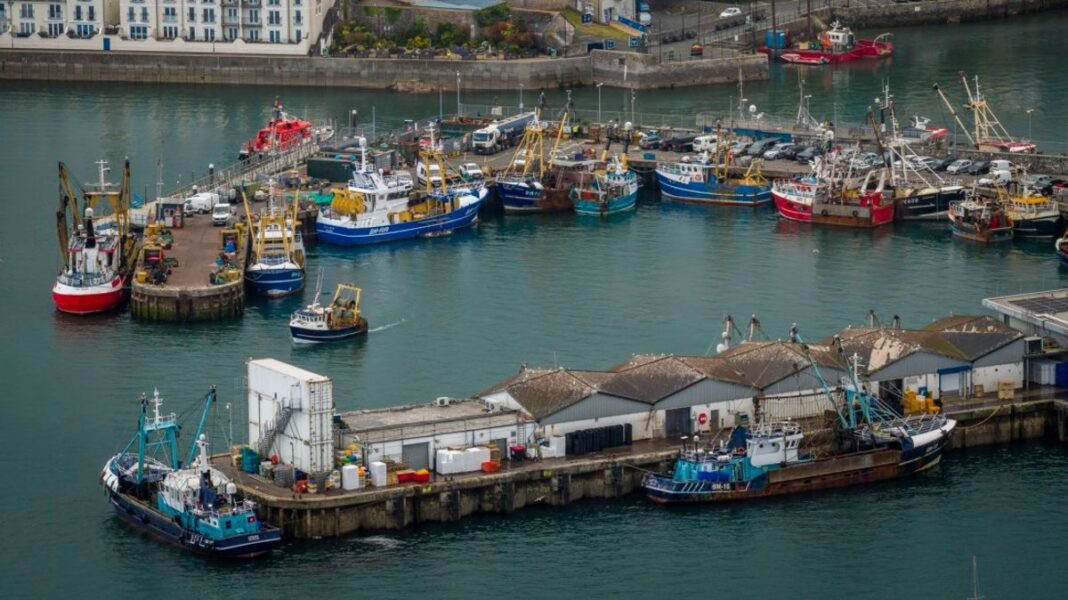
Similarly, in fishing communities like Brixham, promises of regaining control over British waters have given way to increased bureaucracy and consolidation of fishing quotas among a few entities. The disillusionment among long-standing fishermen like Martin Rogers and Barry Young is palpable, as the reality of Brexit’s impact falls short of the assurances they were offered.
Ultimately, the discontent is not directed towards Brussels but towards Westminster, where politicians are seen as having exploited the support of working-class citizens for short-term gain. The failure to address the genuine concerns that underpinned the original Brexit vote has left many feeling betrayed and stranded in a post-Brexit landscape devoid of the promised benefits.
As the ten-year mark since the Brexit referendum approaches, the verdict is clear: while control was regained, it has not translated into tangible benefits for many communities. The bill for Brexit’s repercussions is now due, underscoring the vast disparity between the promises made and the harsh realities faced by those who believed in them.