

Westminster had been avoiding discussions on Brexit until recently. The significant vote on June 23, 2016, had a profound impact, leading to a series of dramatic events resembling a Netflix series with resignations, late-night votes, legal battles, and unfulfilled commitments. When the UK officially cut ties with the EU on January 20, 2020, many sought to move on from the turmoil.
Labour, still recovering from the disastrous December 2019 election outcome, aimed to unify its stance under Keir Starmer’s leadership, the former shadow Brexit secretary. The party’s focus was set on improving Boris Johnson’s flawed Brexit agreement without considering a return to the EU, single market, or customs union, as outlined in Labour’s 2024 election manifesto.
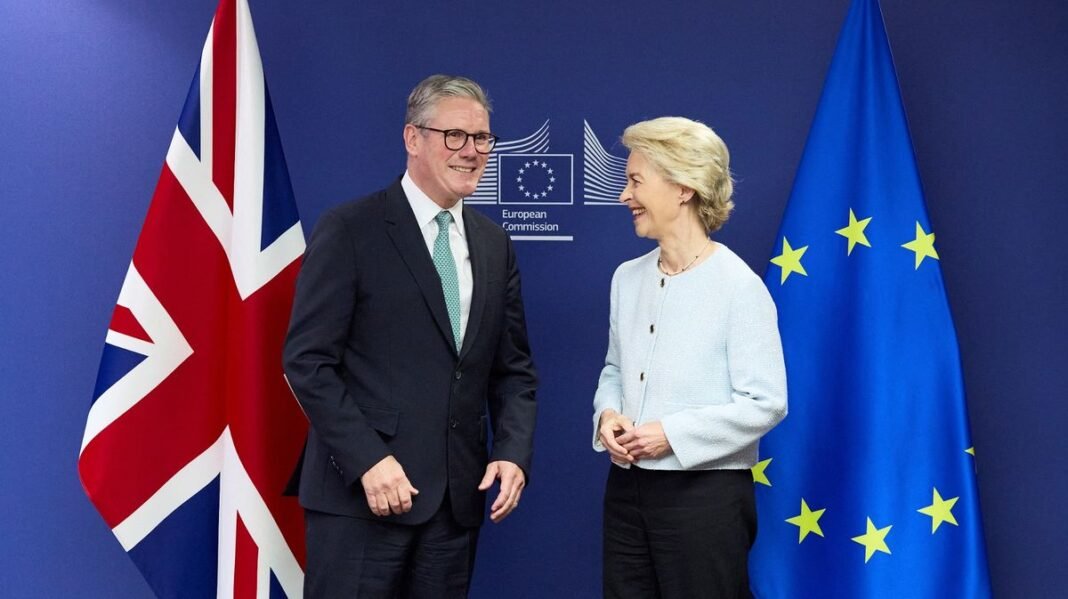
In the early days of his tenure, Prime Minister Johnson worked diligently to mend relationships with European allies after years of strained ties. The government’s current emphasis is on adjusting the UK-EU relationship and aligning more closely with the EU, with potential agreements like a youth mobility deal at the upcoming summit in July.
Despite Labour’s recent confidence in addressing Brexit concerns, discussions on the topic have resurfaced with Starmer’s leadership under scrutiny and the referendum’s 10th anniversary approaching. Questions arise about renegotiating customs union or single market access, willingness to accept freedom of movement, and the possibility of rejoining the EU in the long term.
As the debate within Labour reignites, potential leadership contenders like Wes Streeting and Andy Burnham have differing views on Brexit, with Streeting advocating for a new special relationship with the EU and Burnham cautioning against revisiting EU membership debates to avoid further division.
Minister Nick Thomas-Symonds stressed Labour’s duty to maintain national unity and prioritize future-oriented policies rather than revisiting past debates. The possibility of the UK rejoining the EU remains uncertain, with varying opinions from European leaders like Jean-Claude Juncker and Pedro Sanchez. Public sentiment shows a growing inclination towards rejoining the EU, especially among younger voters.
The ongoing discussions within Labour and the broader political landscape reflect a renewed interest in the future of Brexit, with potential implications for the country’s international relationships and economic well-being.