
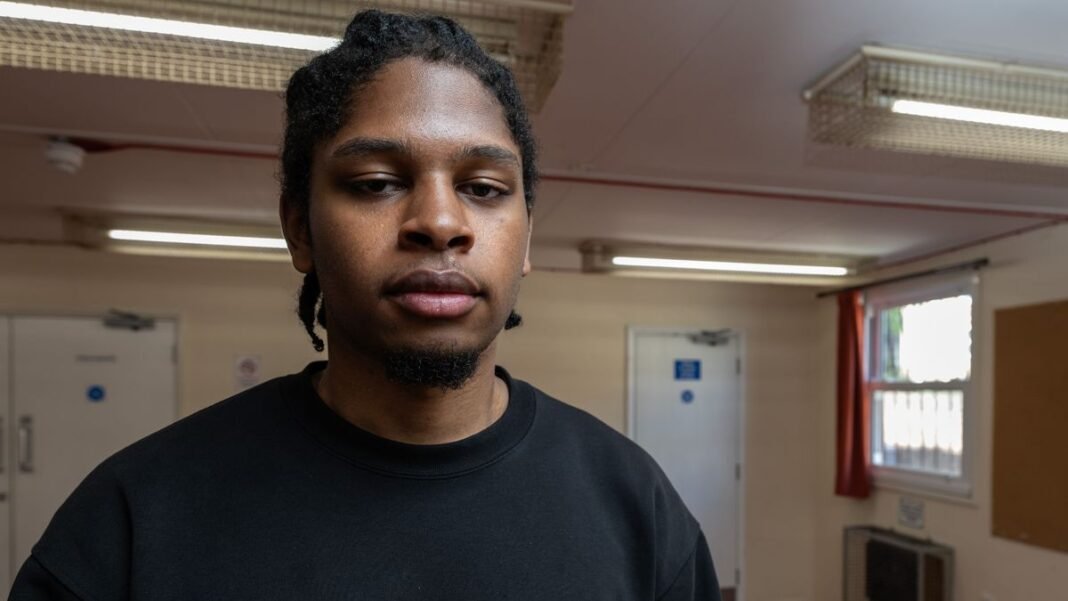

Dylan Law explains the rationale behind Sir Keir Starmer’s cautious approach before the upcoming elections on Thursday. Dylan, the Green Party’s nominee for Deputy Mayor in Hackney Downs, an area in East London where he was raised, is making waves at just 20 years old. Known for his ambition, dedication, and ability to connect with the local community, alongside Zoe Garbett, who is running for Hackney Mayor.
Feedback from my acquaintances and relatives still residing in the neighborhood reveals confidence in Dylan’s capacity to tackle the housing crisis, stemming from his upbringing in a council estate with a single mother. There is a belief in his commitment to enhancing the accessibility of local governance for residents, rather than resorting to bureaucracy and condescension. Excited by a forward-thinking leader who mirrors their demographic and grasps the various issues often overlooked in politics, young people are rallying behind Dylan.
These are qualities typically associated with Labour candidates; however, Dylan’s path to candidacy highlights a larger issue within the party that has historically retained the support of millions of Black and Asian voters. The reluctance to embrace new Black candidates to advocate for its causes raises questions. Despite concerns over immigration and foreign policy, talented individuals like Eunice O’Dame and Enid Molyneux, both Black women, have reportedly faced barriers to standing as candidates in Bensham Manor, a stronghold for Labour in Croydon.
Interestingly, the seat will now be contested by Keir Starmer’s niece, Ellie Sandover, daughter of Starmer’s sister Kate Swabey. While Ellie’s competence is undisputed, the selection process raises eyebrows regarding Labour’s approach to Black candidates compared to the Tories’ handling of diversity.
A few years ago, discussions on this issue highlighted the frustration among prominent Black male Labour supporters who felt overlooked for the 2017 snap election. Unfortunately, little progress has been made since then. Dylan’s emergence as a strong contender symbolizes the challenges Labour faces in fielding candidates who truly represent the working-class populace they claim to champion.
Despite regaining power by positioning themselves as the antithesis to the Tories, disillusioned voters feel let down on various policy fronts. The rise of the Greens, led by Zack Polanski, has further compounded Labour’s struggles.
Nonetheless, there are still Black candidates willing to step up and represent the Labour party in their fight to maintain relevance. The party must confront the question of why it seems hesitant to embrace them.