

A woman had to travel nearly 100 miles to deposit a cheque. Annabel Yates, residing in Cornwall, received a £900 cheque from HM Revenue and Customs (HMRC) but encountered difficulties depositing it online due to the cheque lacking perforated edges for scanning.
As a result, she visited her local post office branch, only to discover that Lloyds Banking Group customers like her could no longer deposit cheques there following the service’s discontinuation in January. This forced Ms. Yates from Crackington Haven to make the long journey to Truro, a round trip of close to 100 miles, to visit a branch.
Expressing her frustration to the BBC, Ms. Yates criticized Lloyds’ policy for excluding rural communities and relying excessively on app-based banking, which she deemed regressive. Despite being offered a freepost option to send the cheque, she hesitated due to the uncertainty of its safe delivery.
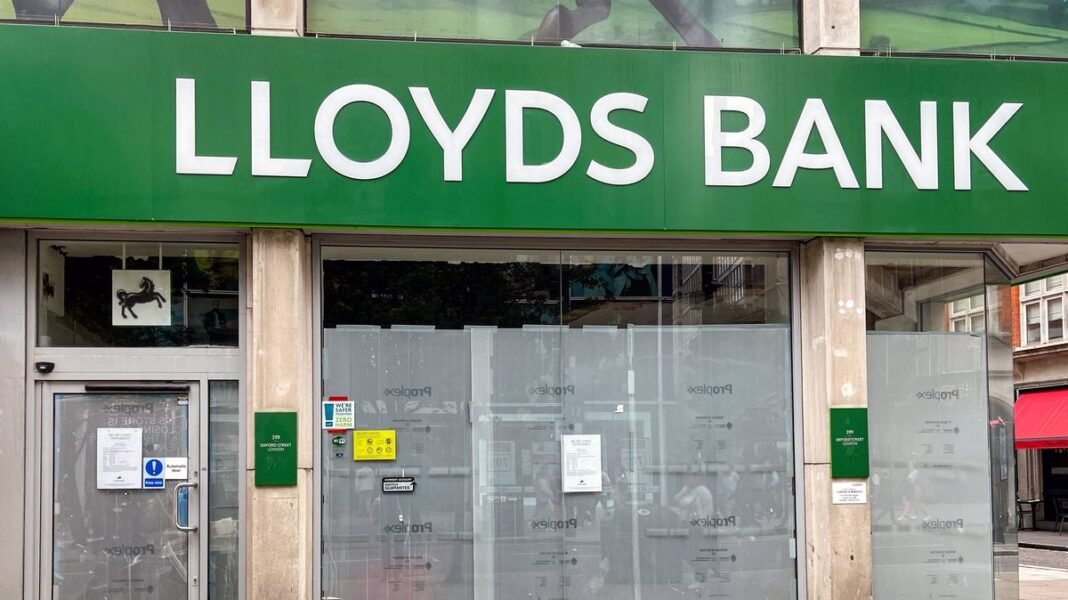
Amidst bank branch closures nationwide, campaigners argue that the move neglects customers who rely on in-person banking interactions or lack online banking access. Lloyds Banking Group defended its decision to discontinue cheque deposits at the Post Office, emphasizing alternative options like app-based deposits, branch visits, or the freepost service.
In response, an HMRC spokesperson highlighted that most customers could request refunds via bank transfer through their personal tax accounts or the HMRC app, with the majority of repayments now processed this way.
The Treasury recently initiated a review on access to face-to-face banking, led by Richard Lloyd, to address concerns raised by communities losing essential banking services. Lucy Rigby, the economic secretary to the Treasury, stressed the importance of accessible banking services and the need to identify gaps for prompt legislative action.
Consumer groups, including Which? and Age UK, echoed the significance of maintaining face-to-face banking services, particularly for older individuals facing challenges with branch closures. They emphasized the necessity of formalizing access to in-person banking services to ensure financial inclusivity for all individuals.