
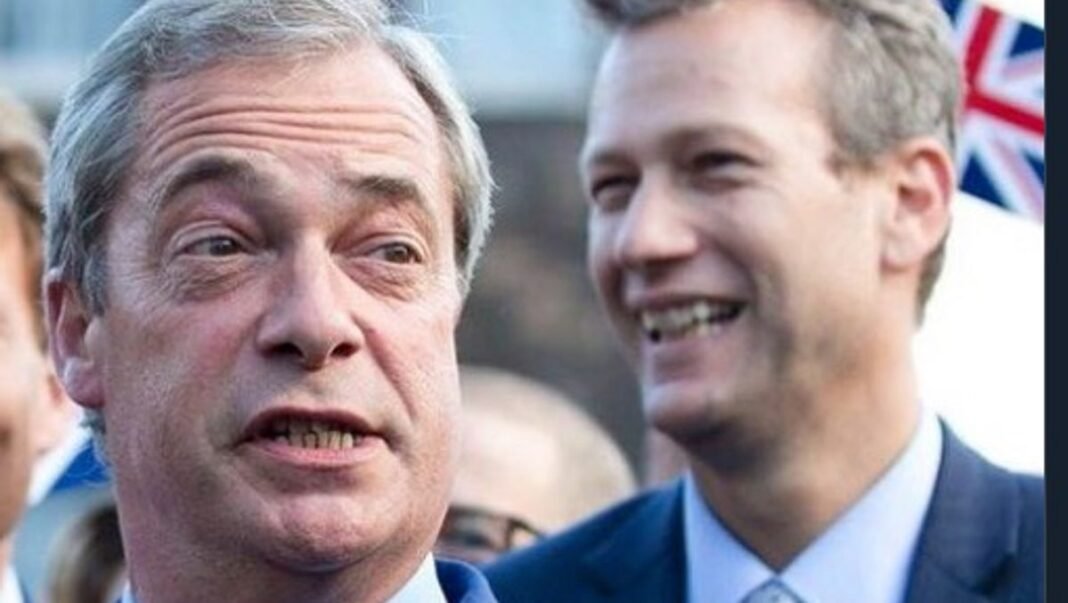

Nigel Farage is facing increasing demands to investigate the potential infiltration of pro-Putin elements within the Reform party.
Criticism has mounted against Mr. Farage following the incarceration of the party’s former Welsh leader, Nathan Gill, for over ten years due to his involvement in accepting Russian bribes. The Metropolitan Police is currently conducting an inquiry to ascertain the extent of the scandal.
During a visit to Wales, Mr. Farage declined to initiate an investigation, citing his lack of authority and resources. He expressed limitations in accessing crucial information like phone records and emails necessary for conducting a thorough probe.
In response to queries about his party members, Mr. Farage disclosed that he had inquired whether anyone had accepted unauthorized funds, to which no one admitted guilt. He downplayed the severity of the situation, labeling it as a minor issue for Reform but suggested that MI5 could delve further into the matter.
In a piece for The Mirror, defense minister Luke Pollard criticized Nigel Farage for downplaying the incident involving Nathan Gill as an isolated occurrence. Pollard emphasized the need for transparent actions to address the issue, questioning Farage’s credibility in handling such matters given the lack of vigilance displayed in detecting corruption within his ranks.
The recent conviction of Gill, who confessed to accepting bribes to advocate a pro-Russian stance while serving as an MEP, has raised concerns about the party’s susceptibility to external influences. Gill’s association with individuals linked to the Russian security services has underscored the potential risks posed by foreign interference in British politics.
Pollard underscored the gravity of the situation, describing Gill’s actions as a betrayal of national interests by endorsing foreign propaganda within a legislative body. The ongoing investigation by the Metropolitan Police into other former Members of the European Parliament further underscores the need for a comprehensive examination of Reform’s internal structures.
Allegations of a pro-Russian stance within Reform have been refuted by party officials, but concerns persist regarding the party’s alignment with narratives that align with Russian interests. The call for an independent assessment of Reform’s operations, including its representatives, donors, and connections, is essential to safeguarding national security and upholding democratic values.
The failure of Nigel Farage to address these concerns and facilitate an impartial investigation reflects a leadership void that raises doubts about the party’s commitment to countering external influences detrimental to British interests. The urgency of addressing these issues is paramount in safeguarding the integrity of the political process and ensuring transparency in party operations.