
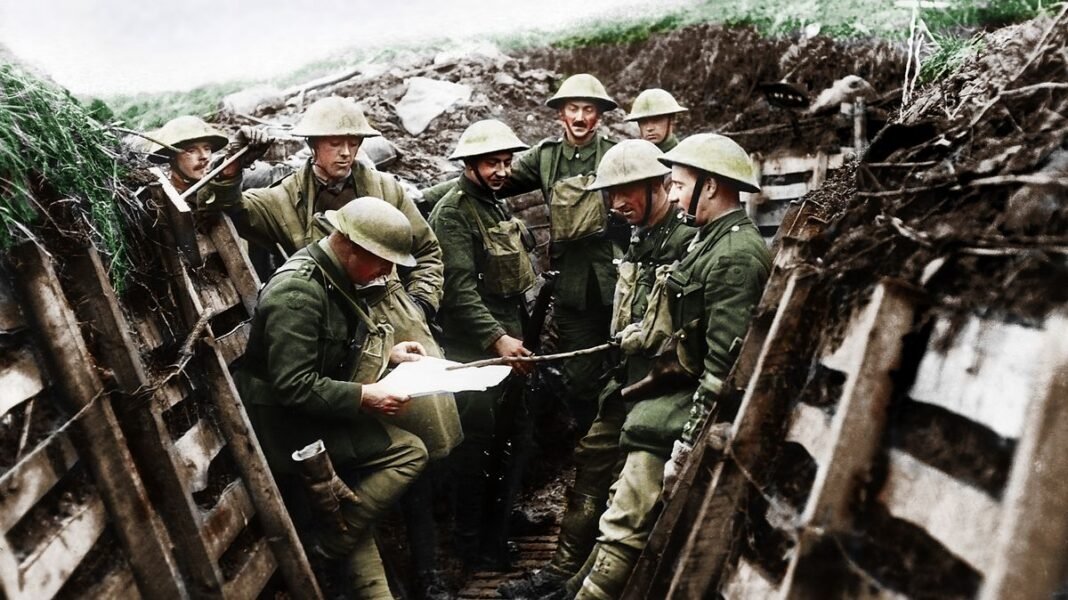

Today, we honor the memory of those who made the ultimate sacrifice for their countries in conflicts worldwide, particularly the young individuals who fought in the two major global wars. The First World War marked a significant shift in warfare, with technological advancements leading to devastating consequences and prolonged bloodshed for millions of combatants.
British soldiers stationed on the front lines during this brutal conflict were acutely aware of the risks they faced and the possibility of never returning home. Many took preemptive measures to ensure their bodies could be identified amidst the chaos of battle, including a unique practice of placing spoons in their boots for recognition purposes.
During World War One, soldiers dreaded the whistle signaling the order to advance, exposing them to the dangers of No Man’s Land, characterized by mud, barbed wire, and relentless machine gun fire. The staggering casualties, such as the catastrophic losses on the first day of the Battle of the Somme, highlighted the grim reality faced by these soldiers.
To mitigate the risk of being left unidentified due to fragile identification tags, soldiers resorted to engraving their names or service numbers on metal spoons tucked into their boots or puttees. Puttees, fabric wraps around the lower leg and boots, served not only to protect against environmental elements but also as a means of securing identification in case of fatality.
Notably, the First World War lasted from July 28, 1914, to November 11, 1918, resulting in the deaths of over 8.8 million military personnel and approximately 6 million civilians. The Battle of the Somme on July 1, 1916, stands out as the deadliest day in British military history, underscoring the immense toll of the conflict.
Today, on Remembrance Sunday, we pay tribute to the brave individuals from the UK and Commonwealth nations who sacrificed their lives in various historical conflicts. The 80th anniversary of the end of World War Two in 2025 holds special significance, commemorated through a solemn Remembrance service at the Cenotaph attended by dignitaries, veterans, and representatives of armed forces and faith communities.
The day’s observance includes a poignant two-minute silence at 11am, followed by a wreath-laying ceremony and a march of nearly 10,000 veterans facilitated by the Royal British Legion.