
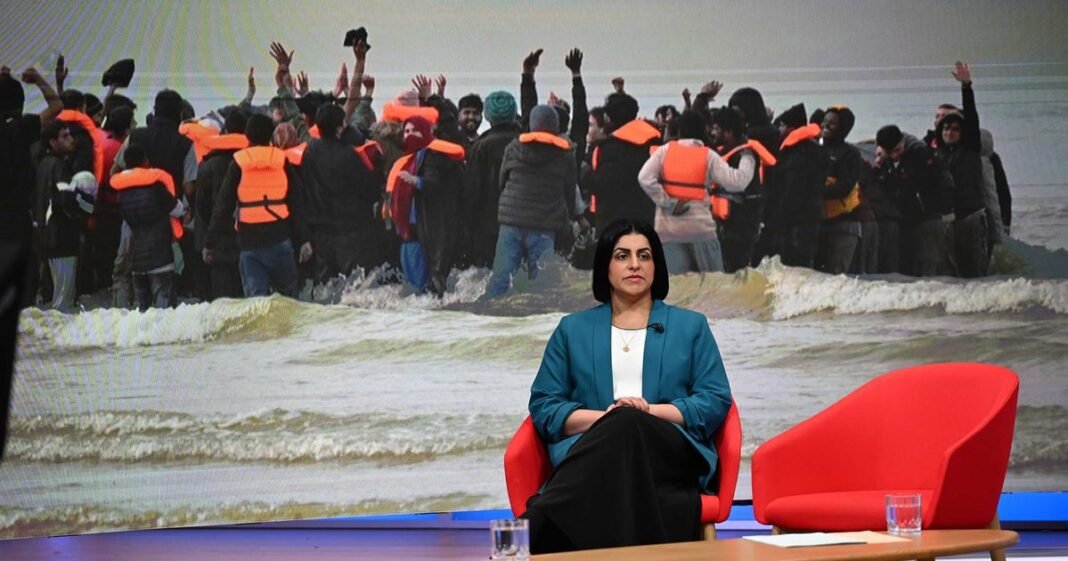

Britain’s Home Secretary has expressed concerns over the country’s asylum system, describing it as “out of control” and causing division. Plans for significant reforms, inspired by Denmark’s approach, are set to be announced by Shabana Mahmood, aiming to be the most extensive overhaul since World War II.
The proposed changes include removing the legal entitlement to financial assistance, such as housing and weekly allowances, for asylum seekers. Additionally, the waiting period for refugees seeking permanent settlement is expected to increase fourfold to 20 years.
Under the new plan, refugee status will become temporary, subject to review every two to three years, potentially leading to deportation of individuals back to their home countries if deemed safe. To counterbalance these stringent measures, three alternative legal pathways will be introduced, offering limited work and study opportunities and a community sponsorship program akin to the Ukrainian initiative.
Despite backlash from charitable organizations and accusations of reviving unsuccessful policies, the Home Secretary defended the reforms, emphasizing the need to address illegal migration’s detrimental impact on society. Critics argue that the proposed changes, reminiscent of past strategies, may not effectively deter irregular arrivals or tackle human smuggling networks.
Advocates for refugee rights, such as Sile Reynolds from Freedom from Torture, have condemned the reforms, highlighting the potential harm to vulnerable individuals fleeing persecution and torture. The ongoing influx of migrants crossing the English Channel has surged this year, surpassing previous annual figures, prompting intensified debates on immigration policies and humanitarian obligations.