

Most individuals disapprove of the House of Lords obstructing a bill after it has been approved by MPs in the Commons.
A recent YouGov poll conducted by Dignity in Dying revealed that 6 out of 10 respondents (58%) believe it is not acceptable for the Lords to delay a bill once it has passed the Commons, while only 17% find it acceptable. Additionally, a mere 24% think it is appropriate for the Lords to introduce disruptive amendments to a bill.
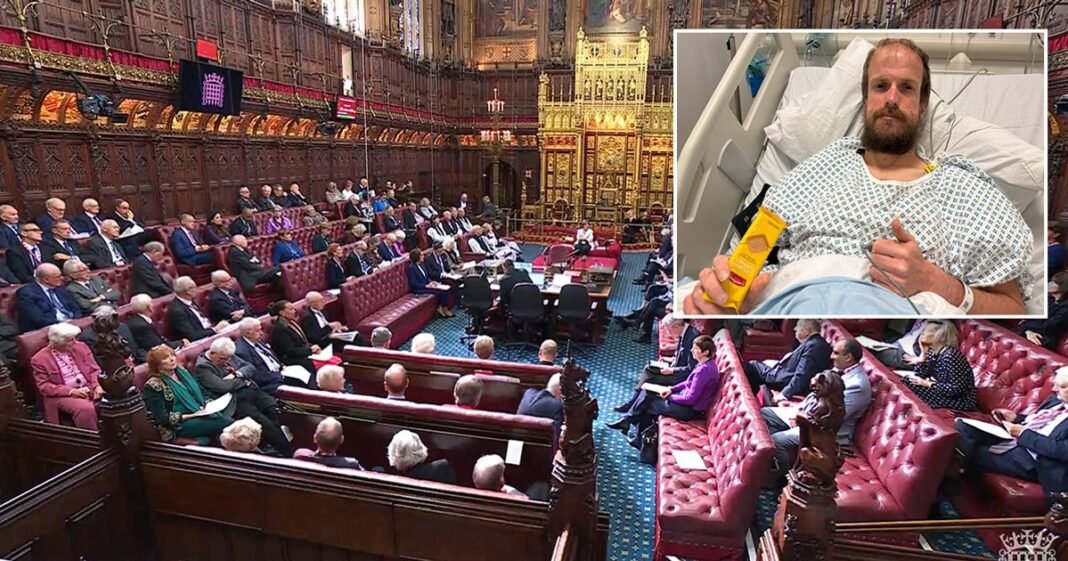
The Committee Stage commenced in the House of Lords today following the creation of nearly 1,000 amendments by the chamber. Criticism has been directed at the House of Lords for potentially derailing the Assisted Dying bill by inundating it with an unprecedented 942 amendments.
A terminally ill music teacher expressed dismay over the possibility of the Terminally Ill Adults (End of Life) Bill being obstructed due to parliamentary procedures. The teacher, facing a terminal illness, conveyed concerns about experiencing excruciating pain during his final days.
Nathaniel Dye, an MBE recipient from east London, voiced apprehensions that the bill might not be enacted in time to benefit him and his family. He emphasized the urgent need for peaceful end-of-life options to alleviate the suffering of terminally ill individuals and their loved ones.
The bill’s advocate highlighted the significant public support for the legislation and the implications of any attempts to impede its progress. The emotional accounts of individuals directly affected by terminal illnesses underscore the importance of considering their perspectives in the legislative process.
Various proposed amendments to the bill have sparked intense debate among members of the House of Lords, with some amendments aiming to address specific criteria for accessing end-of-life options. Advocates for the bill stress the importance of prioritizing the needs and wishes of terminally ill individuals in the ongoing discussions.
The CEO of Dignity in Dying emphasized the crucial role of Peers in ensuring that the debate on the bill remains focused on the real-life implications for those affected by current end-of-life laws. Calls for empathetic and constructive engagement with the issue have been made to uphold the dignity and rights of terminally ill individuals.
Personal testimonies from individuals who have faced end-of-life challenges underscore the urgency for legislative changes that prioritize compassion and humane treatment for those with terminal illnesses. The emotional toll of navigating end-of-life decisions under current legal frameworks highlights the pressing need for meaningful reforms.
The ongoing deliberations in the House of Lords regarding the Assisted Dying bill have raised concerns about the potential impact of numerous amendments on the bill’s progress. Calls for respectful consideration of the voices of terminally ill individuals and their families have been reiterated amid fears of procedural delays and political maneuvering.
Louise Shackleton, who accompanied her husband to Dignitas for an end-of-life decision, shared a poignant account of the challenges faced by terminally ill individuals seeking compassionate end-of-life options. Her testimonial underscores the need for legislative changes that prioritize humane and dignified treatment for those in the final stages of life.