
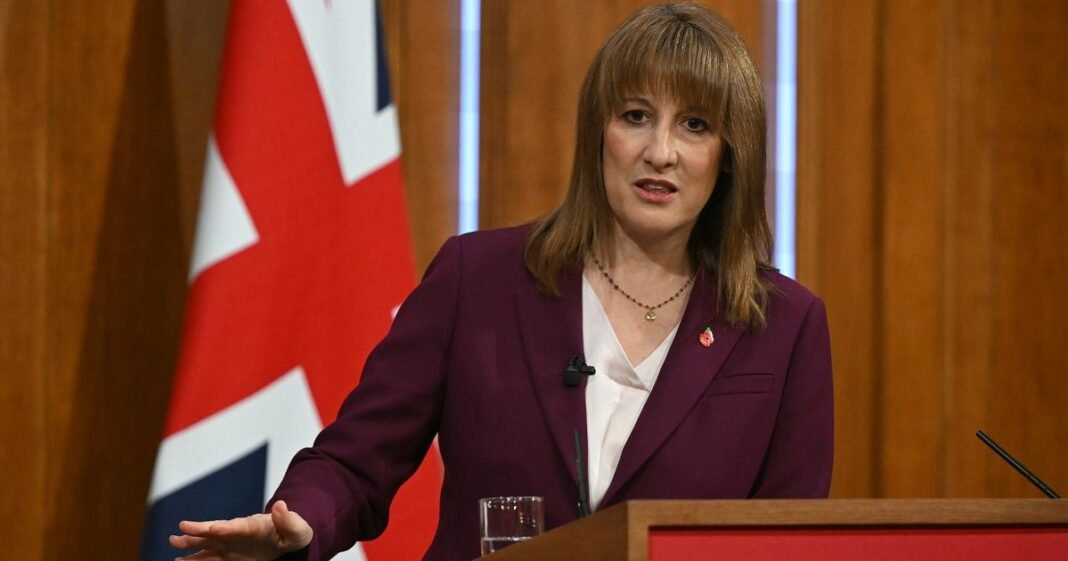

Rachel Reeves made a bold move by hinting at the upcoming Budget set for three weeks from now. Although lacking specifics, this early announcement carried significant weight in terms of the overall vision.
Following a tax-raising Budget a year ago that was thought to be a one-off, the Chancellor now seems poised for more fiscal changes. Reeves’ speech signaled to the public that additional tax hikes are probable, even suggesting the possibility of breaking previous pledges, which may not sit well with voters.
The Chancellor seems to be banking on the belief that contributing more towards the country, public services, and national finances will lead to substantial improvements. The success or failure of this strategy could heavily influence the results of the upcoming general election and shape policies for years to come.
Despite avoiding direct references in her speech, the increasing speculation in recent weeks points towards another challenging Budget ahead. However, indications suggest a focus on tax increases rather than drastic spending cuts, with a commitment to steering clear of the austerity measures of the past.
Labour’s manifesto had assured no tax increases for working individuals, emphasizing no hikes in National Insurance, Income Tax rates, or VAT. Yet, recent developments and changing economic landscapes have prompted a reassessment of taxation policies, particularly given the significant contribution these taxes make to overall revenue.
Income tax is a vital component of personal finances, covering various income sources and affecting a large portion of the UK population. The tax rates vary based on income levels, with different thresholds triggering higher rates.
While the specifics remain speculative, policy experts suggest that a moderate increase across income tax bands could generate substantial revenue. However, such proposals come with challenges, including the reluctance to alter long-standing tax rates, often referred to as the “50-year tax taboo.”
Potential adjustments in tax rates could impact individuals differently, with varying effects on take-home pay based on income levels. Any immediate implementation of tax changes could be met with resistance, especially during a period of rising living costs and economic uncertainties.
Proposals to modify National Insurance rates and Value Added Tax are also under consideration, with potential implications for government revenue and consumer spending. Balancing revenue needs with economic stability and cost-of-living concerns is crucial in shaping future fiscal policies.
Addressing key cost drivers like energy and food prices has become a focal point, with discussions revolving around potential VAT adjustments and targeted relief measures. The aim is to alleviate financial burdens on households while ensuring sustainable revenue sources for the government.
As talks continue on diverse tax-related matters, including pensions and gambling duties, the overarching goal is to strike a balance between revenue generation and public welfare. The evolving fiscal landscape underscores the complexities of crafting policies that cater to both economic growth and social well-being.