
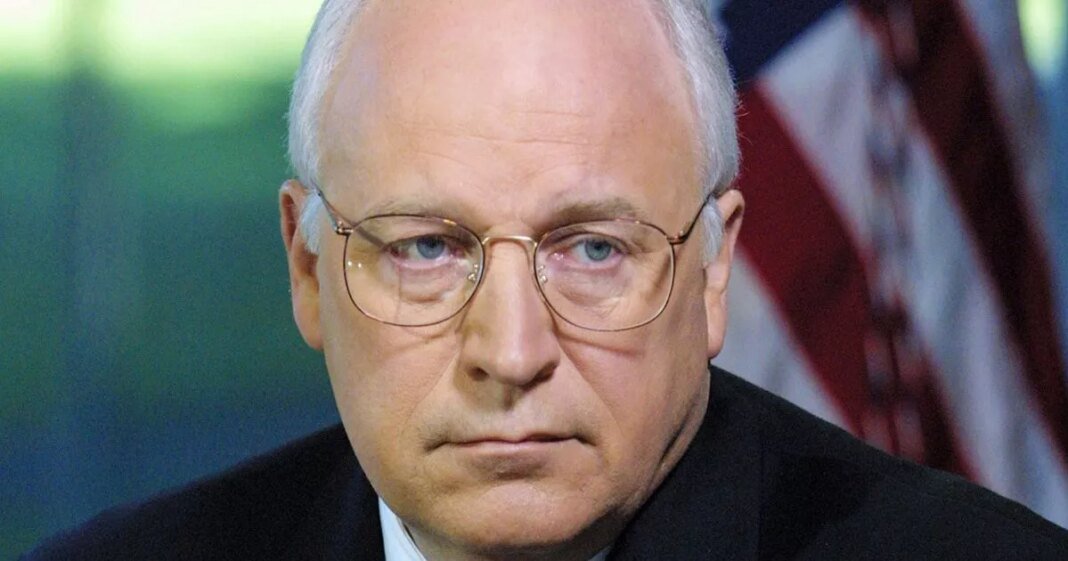

Former US Vice President Dick Cheney, known as one of the most influential deputy figures in American history, passed away at the age of 84. Cheney, often referred to as the “architect of the war on terror,” played a pivotal role in persuading the UK to support the Iraq war. Throughout his career, Cheney wielded power behind the scenes, focusing on strategic decision-making rather than public appearances. Despite his strong conservative views, Cheney faced criticism within his own party for openly condemning Donald Trump as a threat to the nation.
Born in 1941 in Lincoln, Nebraska, Cheney’s political journey began after working as a congressional aide and later serving in various governmental roles, including Chief of Staff under Gerald Ford and Secretary of Defense under George H. W. Bush. His tenure as Vice President under George W. Bush marked a significant period, especially after the events of September 11, 2001, where Cheney advocated for aggressive national security measures.
Cheney’s influence extended to international affairs, particularly in persuading the UK to join the Iraq war based on disputed claims. He championed controversial policies such as Guantanamo Bay and enhanced interrogation techniques, drawing criticism for his approach to the war on terror. Despite his polarizing actions, Cheney also displayed moments of compassion, notably supporting his daughter Mary’s same-sex marriage.
Throughout his career, Cheney faced both praise and condemnation for his unwavering stance on national security issues. He left office with a low approval rating but remained steadfast in his convictions, unapologetic for his decisions. Cheney’s legacy, characterized by his calculated and divisive leadership style, continues to spark debate over his impact on American politics and global affairs.